New developments, modern residences, international standards… The Senegalese real estate market is booming. In Dakar, Saly, and Diamniadio, projects are springing up and attracting many buyers. Many of them are opting to buy off-plan in Senegal, a process also known as VEFA (Vente en l’État Futur d’Achèvement). This option is appealing due to its flexible payment terms and the promise of a brand-new property. But behind this enthusiasm lies a strict legal framework and precautions that must be taken. In this article, discover the 5 mistakes to avoid so you can invest with peace of mind and complete security.
1. Buying off-plan in Senegal: First, verify the legality of the project
This is undoubtedly the most important step in a real estate project. Before signing anything, make sure the project is legal. First, ask the developer for the land title. Next, verify that the building permit is valid. Don’t forget to verify that urban planning regulations are being followed, including the permits issued by the relevant government agencies (city hall, the General Directorate of Construction and Housing (DGCH)). Without these, construction may be halted or challenged.
Next, make sure the developer has registered the property with the commercial registry and has the necessary insurance. Senegalese law requires that all off-plan sales projects comply with construction, safety, andurban planning standards. You can request a copy of the legal documents. If the company is reluctant to provide them, that’s a red flag.
This initial phase protects your investment: it ensures that the project is not illegal, poorly located, or subject to disputed rights. It also safeguards your legal certainty. Asa real estate firm in Senegal, we assist our clients in gathering all necessary documents and ensuring compliance before any commitment is made.
2. Check the financial stability and reputation of the real estate developer
A reliable developer makes all the difference. If they’re trustworthy, your project is more likely to be completed on time. First, review their past projects. Go see the buildings they’ve already completed. You can also contact previous buyers. Experience matters.
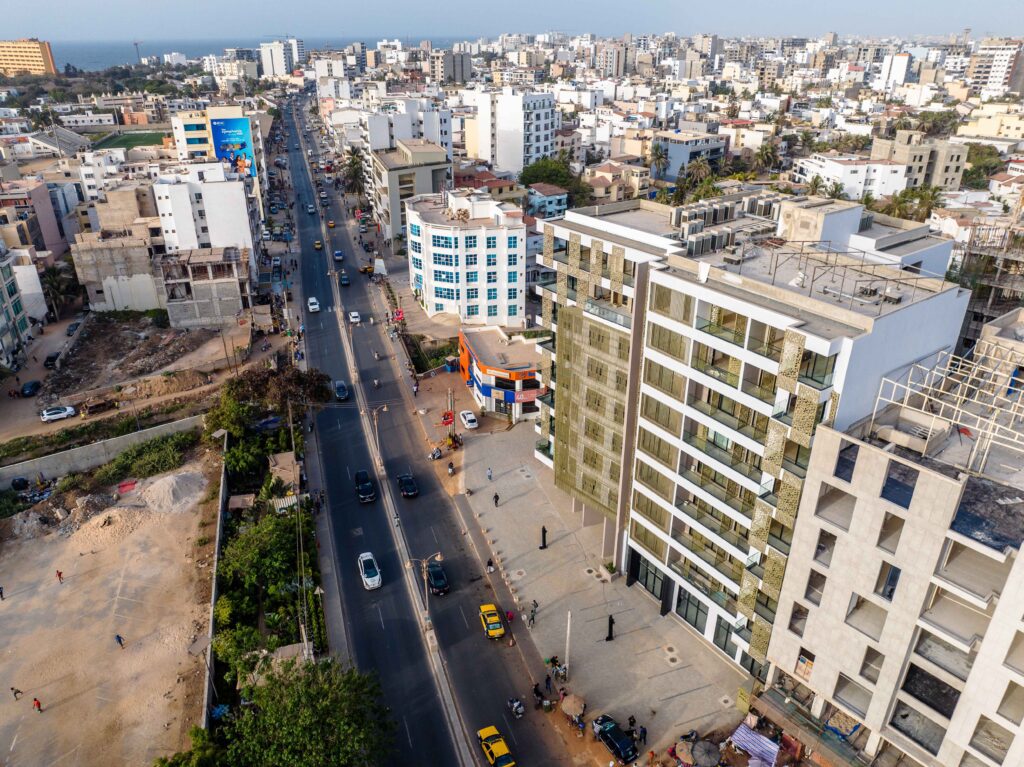
Step 2: To verify that the company is properly registered with the commercial registry and has a NINEA number, visit the SenInfogreffe website. You can also check whether the company is a member of a professional association or is subject to a real estate regulatory authority in Senegal. Ask about the guarantees it offers regarding finishes, the quality of materials, and compliance with technical standards.
Finally, check the developer’s online reputation: reviews, any complaints, and past delays. A transparent professional will show you photos of the construction sites, schedules, and permits. At REALITES Senegal, monitoring construction sites, being transparent about materials, and meeting deadlines are all part of our vision for real estate.
3. Read and negotiate the contract: reservation, payment, key terms
Signing a reservation contract for a property under construction ( VEFA) is not a trivial matter. These documents detail your rights and obligations. It is essential to always request a written contract. Before signing, ensure that the delivery deadlines are clearly stated, as well as any penalties for delays and that possible amendments to the contract are defined.
It must also include all relevant information (name, address, etc.) about the seller , as well as the price of the property . Your contract should describe all phases of the project: foundations, watertightness, airtightness, and finishing.
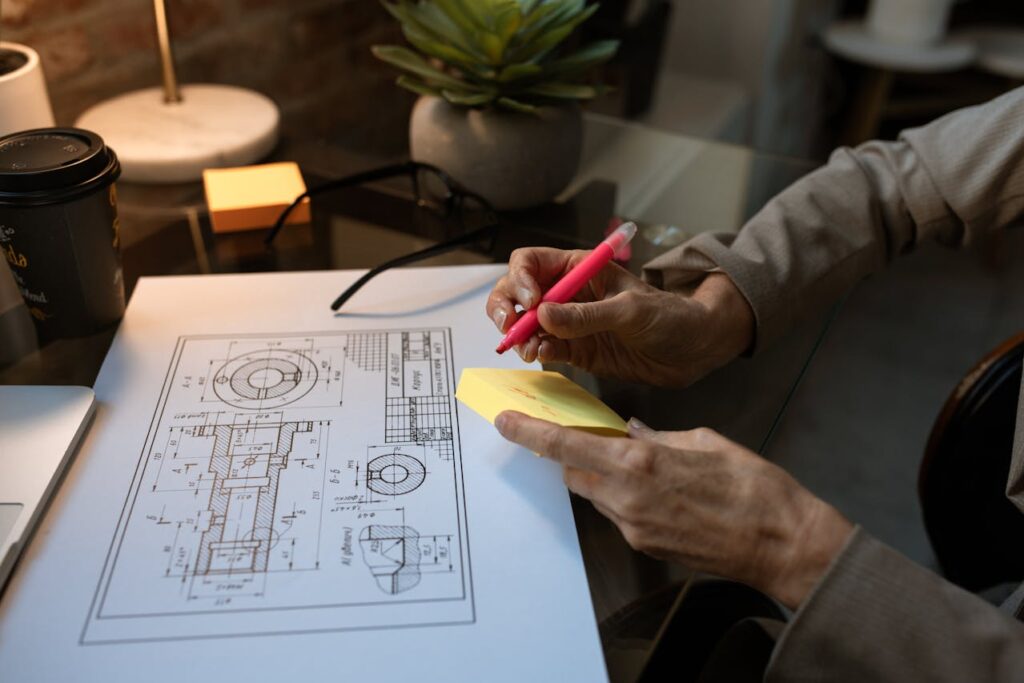
The notary plays a key role: he or she verifies compliance with the law, the validity of the contract, and that there are no unfair terms. Above all, insist on transparency regarding late payment penalties. Disputes generally arise from missed deadlines or failure to compensate for them.
4. Payment and Guarantees: Review the schedule and the Financial Guarantee of Completion
Payments should never be made blindly. You should have a clear funding schedule that lists:
- The reservation deposit,
- Interim payments based on the progress of the work,
- And the final payment upon receipt.
The service provider must also inform you of the payment method and the booking terms and conditions, such as the documents (identification, information form, etc.) you need to provide.
In Senegal, it is imperative that the developer provide solid financial guarantees, including a Financial Completion Guarantee (FCG). This guarantee ensures that if the developer is unable to complete the work, a third party (bank, insurer, or other approved guarantor) will take over or reimburse the amounts paid. Otherwise, you could be left with an abandoned construction site.
Insist on proof of this warranty before paying a substantial amount. Do not pay more than half the price until the main structural elements are completed. If the contract stipulates a 95% payment prior to delivery, this must be justified, legally binding, and the remaining portions withheld until the work is fully completed.
5. Monitoring the Work and Communication: Stay in Control Until Completion
Even after signing, it’s still essential to remain vigilant. Here is a non-exhaustive list of steps to take after signing your contract:
- Visit the construction site regularly,
- Request progress reports from the developer,
- Take some photos,
- Ask for written reports,
- Take action as soon as you notice a delay or a defect.
During the preliminary acceptance, conduct a thorough inspection of the property. Be sure to note all any issues you observe: cracks, construction defects, insulation problems, and missing equipment. You will often have a warranty period for workmanlike completion (usually one year) covering these issues. Upon delivery, you must obtain a delivery report.
In a real estate project, communication is key. At REALITES SENEGAL, we prioritize transparent communication. To this end, we have implemented a CRM (Customer Relationship Management) system. This tool provides our clients with a personal dashboard where they can access photos and videos of their future home. Our sales team is also available at every stage of the construction project.
In summary: Is buying off-plan in Senegal a good or bad idea?
Buying off-plan in Senegal appeals to many investors because of its financial benefits and the opportunity to customize their future home. But it also requires diligence and careful planning. As a buyer, you must verify the project’s legal status, choose a reliable developer, understand the contract, review the financial guarantees, and monitor the construction process to ensure a successful project. By taking these precautions, you’ll minimize risks and gain peace of mind throughout your home-buying journey.
Who is REALITES SENEGAL?
REALITES SENEGAL is a professional developer offering high-end properties for sale off-plan. We support each client from start to finish: pre-sale, legal contracts, secure payment, construction supervision, and final acceptance. Our goal? To offer our buyers high-quality real estate and a profitable investment.
Want to avoid pitfalls and make a safe off-plan purchase in Dakar? Contact our sales team today to turn your dream into a well-planned project.
For more information: off-plan sales.